How to Write a Wedding Ceremony When Your Friend Asks You to Officiate
How to write a wedding ceremony when a friend asks you to officiate: the script order, what to ask the couple, the paperwork, and how to deliver it calmly.
By Richie Redding · · 5 min read
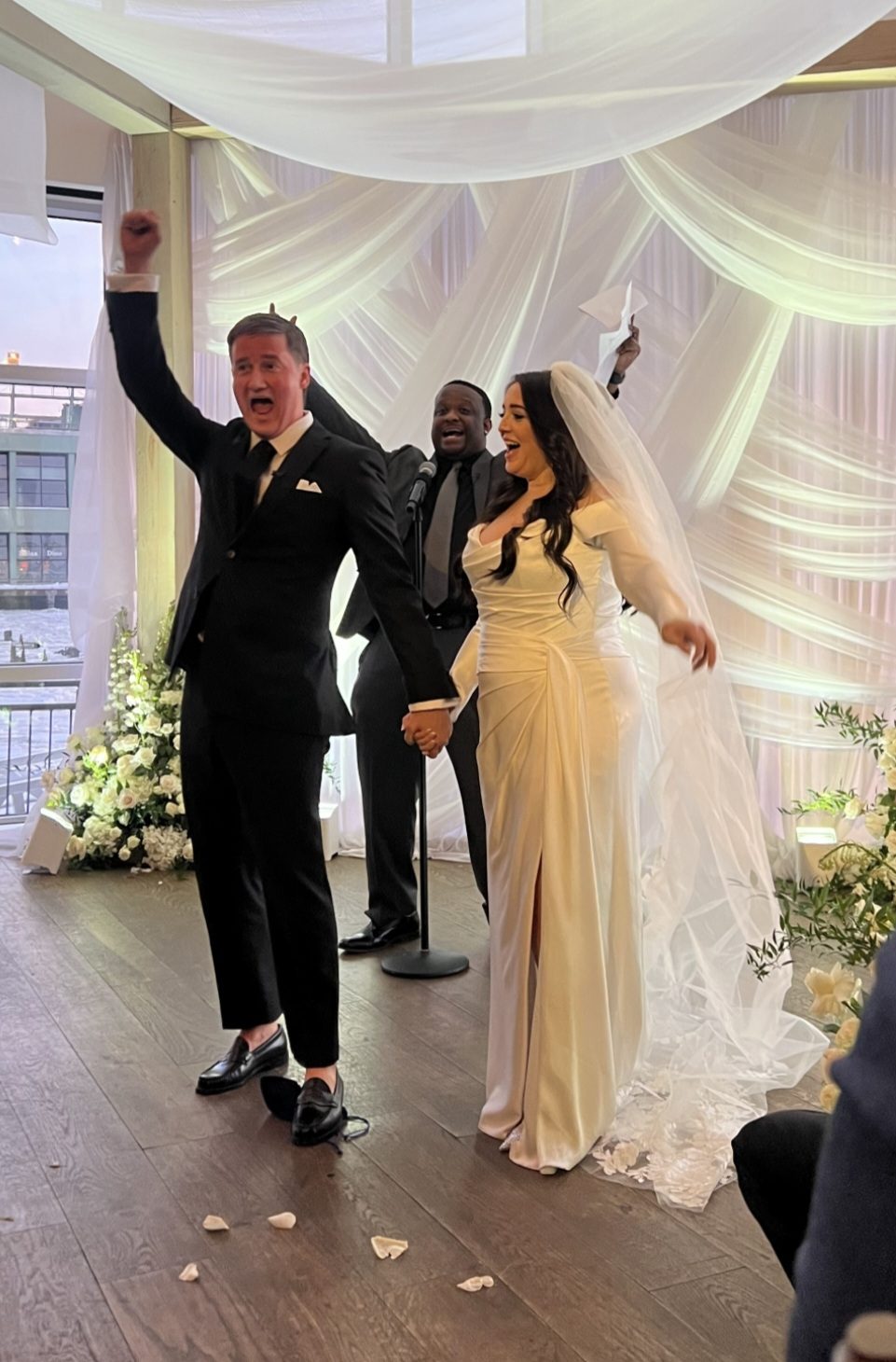
Somebody at Thanksgiving dinner just asked you to officiate their wedding, and you said yes before you thought about it. Now you need to figure out how to write a wedding ceremony, and you have never written one. You're in a big club. NPR reported this summer that in a recent survey by The Knot, 67% of couples are getting married by a friend. Back in 2009, when The Knot started tracking it, the figure was 27%.
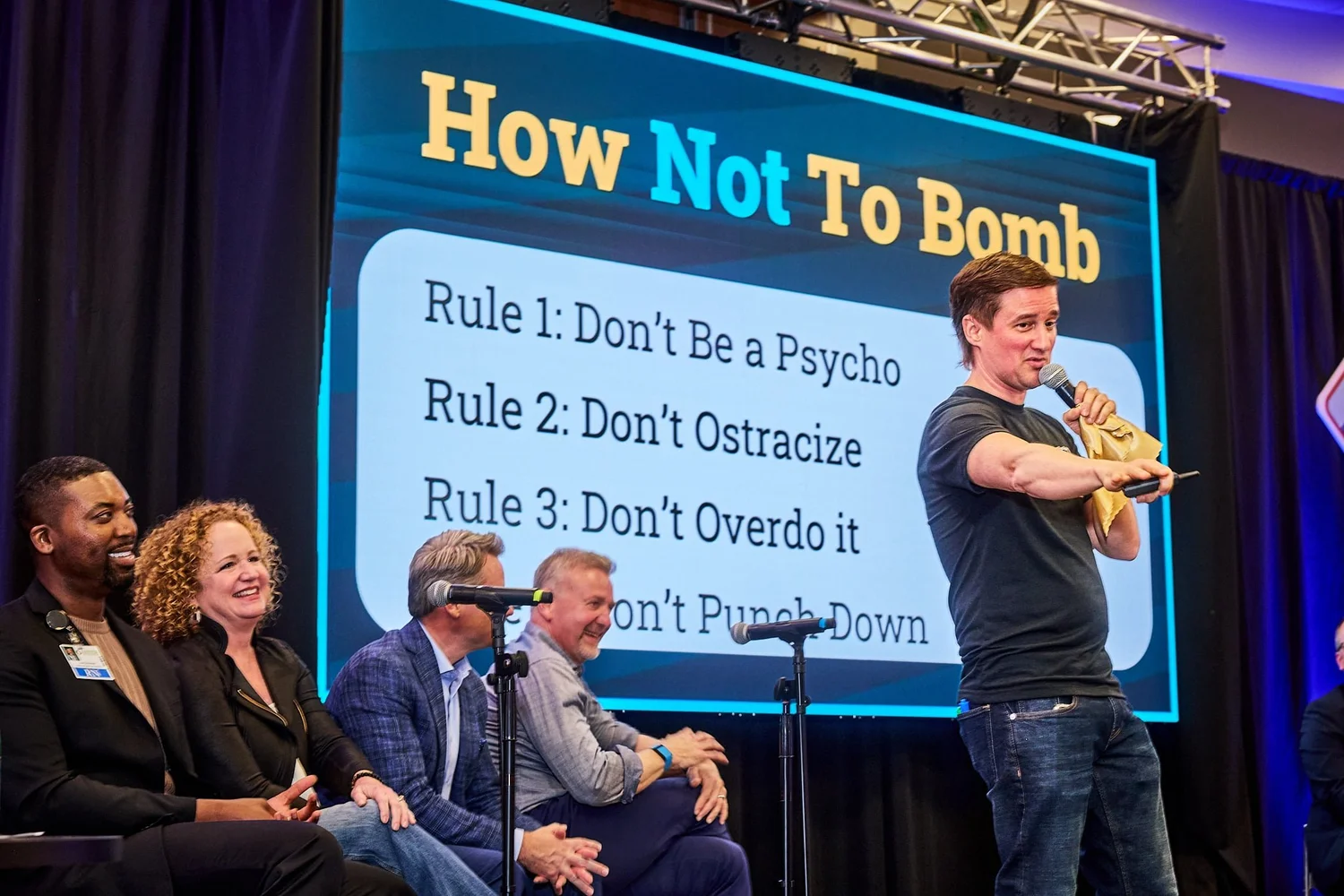
So most weddings now are run by an amateur. I'm a comedian, and I've officiated weddings. Writing a ceremony is a lot like writing a tight set: you need a structure, you cut what doesn't serve the room, and you rehearse until it feels like talking. This is how I'd approach it.
What do you ask the couple before you write a word?
Book an hour with the two of them before you open a blank document. NPR's advice to new officiants starts in the same place: ask the couple for their vision, find out what draws them together, and find out how long they want the ceremony to last.
These are the questions I'd bring:
- How long do you want it? Get a target and write to it.
- Religious, spiritual, or neither? Are there traditions either family expects to see?
- Are you writing your own vows, or do you want me to lead you through standard ones?
- Who's doing a reading, and who's holding the rings?
- How did you meet, and what's a small moment that sums up how you two work? I want something specific here. "We just clicked" gives me nothing to write.
- Is there anything or anyone I should stay away from? Exes, a family rift, a recent loss.
- How funny do you want this? Some couples want a few laughs. Some want zero.
Then interview them separately for five minutes each. People say different things when their partner isn't sitting there, and the good material usually comes out of those five minutes.
The wedding ceremony script, in order
Most ceremonies follow the same bones. Here's the order I'd use for a simple, non-religious wedding ceremony script. Swap pieces in or out for the couple's traditions.
- Processional. Know who walks when, and who sits where. This is your job more than anyone realizes.
- Welcome. Thank everyone for coming and say why you're all there. Keep it short.
- The couple's story. This is the part people remember, so tell one specific story about them, and say what you've noticed about them as a couple.
- Readings. If anyone's doing one, introduce them by name.
- Vows. Their own, or ones you lead them through.
- Ring exchange.
- Declaration. The legal part. Make sure the words your state requires are in there.
- The kiss and the introduction. Then step aside.
A sample welcome, so you can see the tone (an example, not a script to copy word for word): "Welcome, everybody. Thank you for being here. Sam and Jordan wanted the people who love them in one place for this, and here you all are."
How to officiate a wedding without making it about you
This is where comedians get in trouble, and where friends who officiate get in trouble too. You're up front, you have a microphone, and people are laughing at your first line. That feels great. It's also where you have to stop.
Esther Lee, The Knot's editorial director, gave NPR the best one-line advice I've seen for this job: "Don't wing it. You can't wing it." NPR also points out that the officiant is the one telling the guests what to do, so say it clearly, including when they can sit down. Shelby Wax, a contributing weddings editor at Vogue, told NPR: "I've been at a wedding where we have stood up too long because an officiant forgot to say that."
My rules for the officiant script for a friend:
- The couple is the hero of every story you tell. If a joke lands on one of them, make sure it's one they'd tell about themselves.
- Punch at yourself, never at the families, the exes or anyone's body. A crack about how nervous you are is always safe.
- One or two laughs is plenty. A ceremony isn't a roast. Save that for the reception, if the couple asks for it.
- Don't stand in the shot. Alisa Allred Mercer, a school board member in Davis County, Utah, told NPR: "They do not want you in that photo." When the kiss happens, take a step to the side.
The paperwork is part of the job
A lot of first-time officiants forget that you also handle the legal side, and a marriage only counts once the license is filled out and returned correctly.
NPR reports that some jurisdictions require officiants to be ordained ministers, and that online ordination can take a few clicks and is often free. Some places also want you registered before the day.
New York is a good example of how specific this gets. According to the Office of the City Clerk, state law requires anyone who performs a marriage ceremony within New York City to register with the City Clerk, and that requirement doesn't apply anywhere else in the state. The New York State Department of Health says the officiant must check the license, complete the officiant section and return the original to the clerk within five days of the ceremony.
So if the wedding is in Brooklyn and you got ordained online last night, you still have errands to run. If it's in another state, call that county's clerk. Do it this week, not the week of.
How to deliver it like you've done it before
A good script read badly is still a bad ceremony. Delivery is where my stand-up years do the most work, and this is what I'd tell any first-timer:
- Print it in a big font, double spaced, in a folder or a small binder. Don't read off your phone. A phone screen looks like you're checking the score.
- Read it out loud with a timer at least three times before the rehearsal. You'll find the sentences that look fine on paper and trip your tongue.
- Mark where you pause. Pause after the punchline, if there is one, and before the vows.
- Speak slower than feels natural. Nerves make everybody fast.
- Look up at the couple on the important lines. You're talking to them, and the guests are listening in.
- Nervous is normal. Your job is to be calm for the couple, and practice is what makes you calm. If you want the stage side of this, I talk about it more on my stand-up page.
If you like the idea of a laugh or two but you're not sure where it belongs, the same rules apply as anywhere else: know the room and make the audience the hero. I wrote about that in how to use humor at work, and it holds up at an altar, too. You'll find more on vows, speeches and roasts as they go up on the weddings blog.
Want help with yours?
Don't just guess. I can write your ceremony, your vows, your wedding speech (or your wedding roast) for you, and coach you so you nail the delivery. Tell me about the wedding here and we'll get started.
Frequently asked questions
- How do you write a wedding ceremony for a friend?
- Start with a sit-down with the couple. Ask how long they want it, what tone they want and which traditions matter to them. Then build the script in order: welcome, a short story about the couple, any readings, the vows, the ring exchange, the declaration and the kiss. Read it out loud with a timer before the day.
- Do you need to be ordained to officiate a wedding?
- It depends on where the wedding happens. NPR reports that some jurisdictions require officiants to be ordained ministers. In New York City, state law requires anyone performing a ceremony to register with the City Clerk first. Elsewhere in New York State, there is no registration requirement. Check the local rules early.
- What does a wedding officiant do after the ceremony?
- The officiant handles the paperwork. In New York, the officiant checks the marriage license, fills in the officiant section, makes sure the witness section is done, and returns the original license to the clerk who issued it within five days of the ceremony. Rules differ by state, so ask the clerk where the couple got their license.
Sources